Before You Install That AI App...
Remember, it is a product. That doesn't make it bad. It makes it something you should understand before you trust it with the parts of your life that matter. Here's what YOU need to know.


Remember, it is a product. That doesn't make it bad. It makes it something you should understand before you trust it with the parts of your life that matter. Here's what YOU need to know.
Aquarius Awakening: Trust is the New Tech
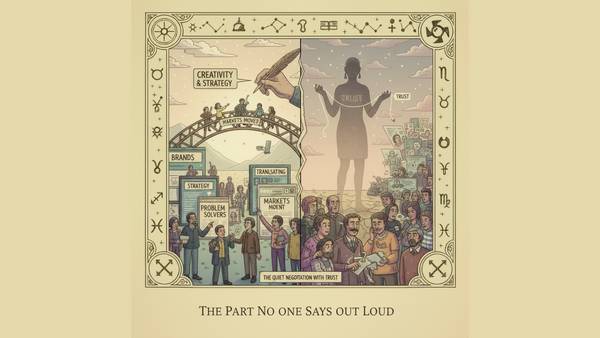
There’s a moment most people in this industry recognize, even if they’ve never named it.
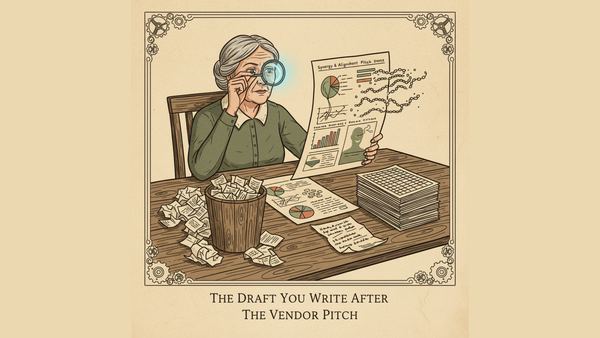
Each unsent version sharpens your internal filter. Over time, patterns emerge. The same promises dressed differently. The same math that only works in slides. The same dependency on “alignment” where ownership should be.
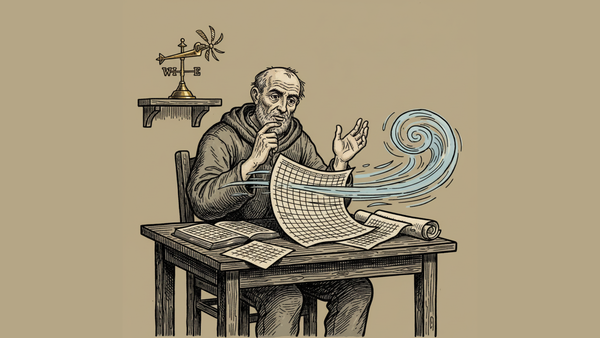
You don’t over-promise recovery. You don’t weaponize hope. You don’t say “we just need more data” when what you really need is permission to stop.
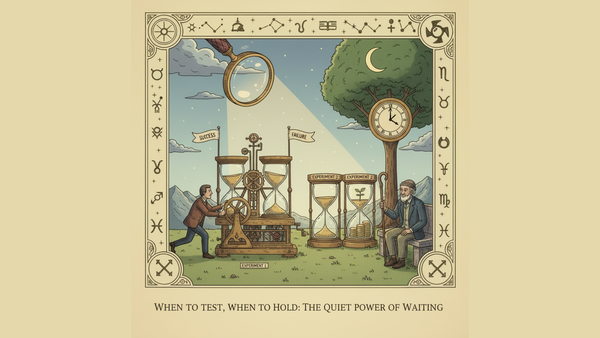
Run the same experiment two weeks apart and you can get opposite conclusions, both technically “correct” and strategically useless.
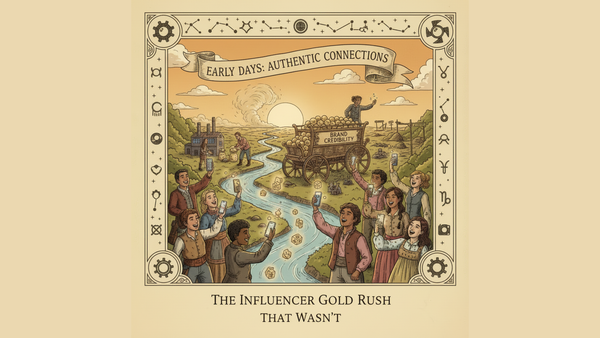
Early on, it worked. Small creators. Real audiences. Loose incentives. Brands borrowing credibility they hadn’t yet earned and paying fairly for the privilege.
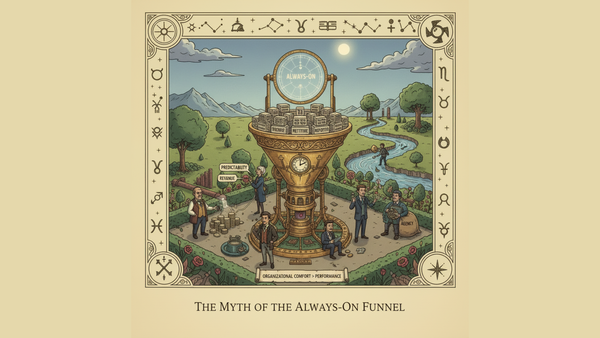
Operators who insist on always-on funnels are often solving for organizational comfort, not performance. Finance likes predictability. Leadership likes dashboards that never go dark. Agencies like retainers that don’t fluctuate.
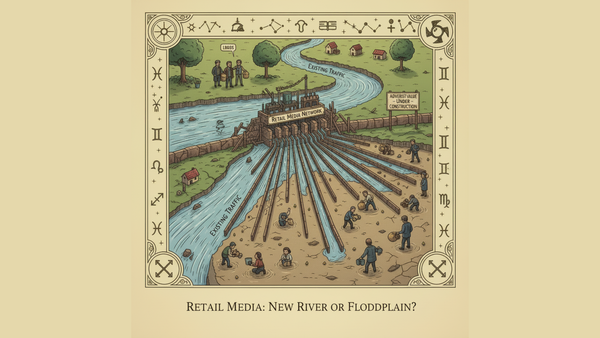
Most retail media networks were not built to serve advertisers. They were built to monetize existing traffic as quickly as possible.
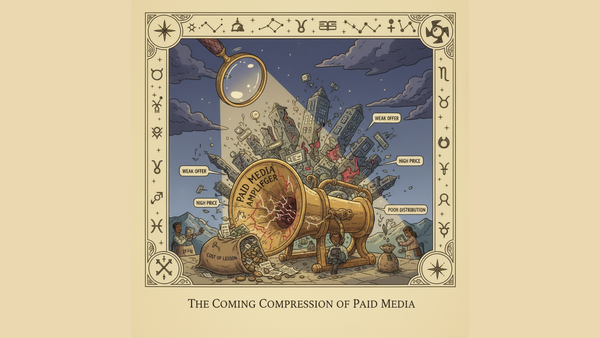
The hardest truth for leadership is that paid media is no longer a growth engine by default. It’s an amplifier. If the underlying offer, pricing, or distribution is weak, paid media will surface that weakness faster than ever—and charge you for the lesson.
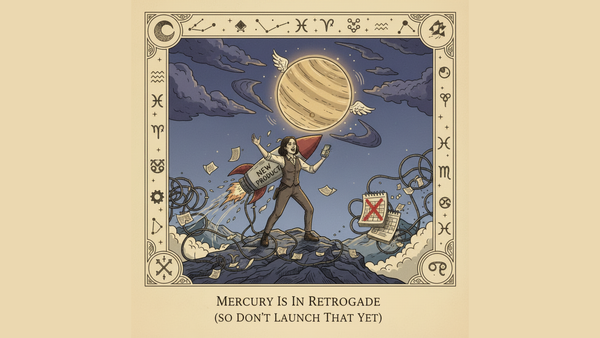
Every seasoned marketer claims not to believe in astrology. Every seasoned marketer has a launch that went sideways for reasons no post-mortem could fully explain.
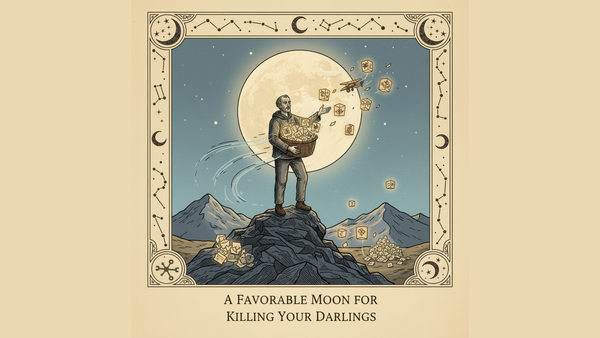
The best teams aren’t the ones with the most ideas. They’re the ones brave enough to release the right ones at the right time.