Before Dashboards: How Marketers Made Decisions In The Days Of Olde
Before dashboards, marketing still worked. Not perfectly. Not scientifically. But often—decisively.

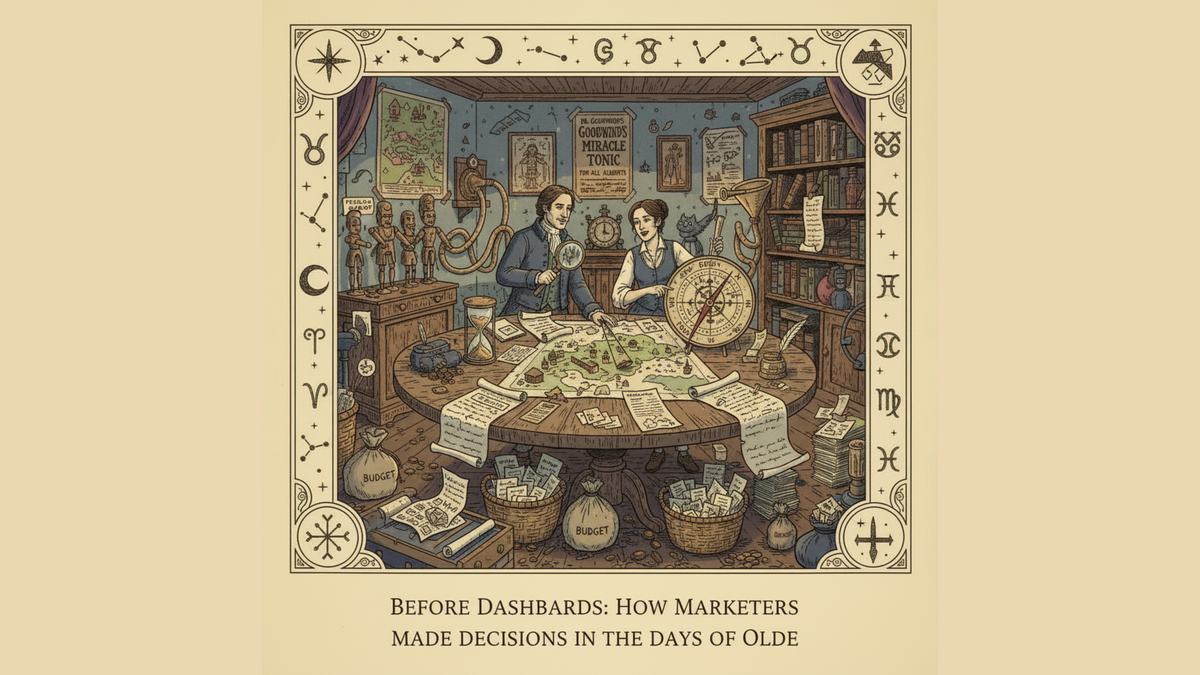
Before dashboards, marketing still worked.
Not perfectly. Not scientifically. But often—decisively.
There were no real-time alerts. No color-coded funnels. No confidence borrowed from a third decimal place. Decisions were made with partial information, long feedback loops, and something we now pretend never existed: judgment.
Pepperidge Farm remembers. So do the old operators.
Back then, signal traveled slowly. You launched a campaign and waited weeks—sometimes months—to see what moved. Sales reports arrived late and incomplete. Research came from conversations, not panels. If something failed, you didn’t optimize it to death. You stopped.
This slowness forced clarity.
Because data was scarce, you had to decide what mattered before you acted. You couldn’t instrument everything, so you chose the few indicators worth watching. Revenue. Repeat behavior. Foot traffic. Orders with notes scribbled in margins.
Marketing managers knew their channels because they lived inside them. They talked to sales. They listened to customers complain in full sentences. They noticed when orders spiked after a mail drop or when phones rang quieter than usual.
Correlation wasn’t instant, but it was legible.
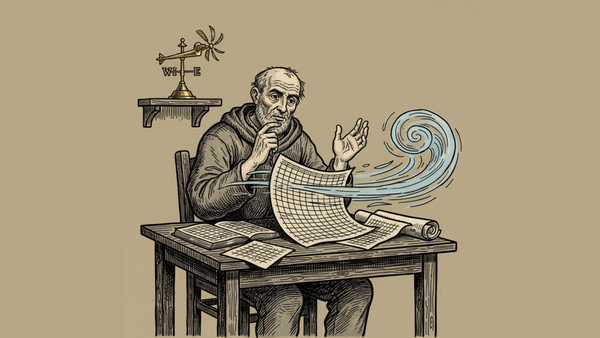
Without dashboards to outsource thinking, marketers built heuristics. Rules of thumb that weren’t perfect, but were grounded in experience. If it didn’t sell in the first wave, it probably wouldn’t in the second. If customers mentioned it unprompted, it mattered. If the story took too long to explain, it wouldn’t spread.
These weren’t vibes. They were earned instincts.
The absence of dashboards also imposed discipline. You couldn’t hide behind activity. You couldn’t claim momentum because impressions went up. Work was evaluated by outcomes people could feel—inventory moving, phones ringing, renewals arriving or not.
When results missed, there was nowhere to bury the miss.
Modern dashboards solved real problems. They brought speed, scale, and visibility. They also introduced a new failure mode: mistaking observation for understanding.
Today, marketers know more and see less.
Dashboards answer questions no one thought to ask while quietly preventing the harder ones. They reward constant motion. They flatten nuance. They create the illusion that if something is measured, it’s controlled.
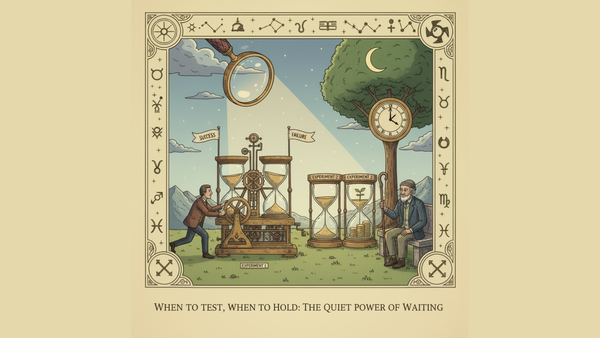
Pepperidge Farm remembers when pauses were allowed. When uncertainty didn’t trigger panic, just patience. When not knowing yet was part of the process, not a failure of instrumentation.
The lesson isn’t nostalgia. It’s balance.
The best modern marketers carry some of that old posture forward. They use dashboards, but they don’t worship them. They recognize when data is early, noisy, or lying politely. They still talk to humans. They still notice when something feels off—and then go find evidence, not excuses.
Before dashboards, marketers were forced to think first and measure second.
After dashboards, many measure endlessly and think later—if at all.
Pepperidge Farm remembers the difference.
The future belongs to teams who do too: those who can read a dashboard without surrendering judgment, who can act with incomplete information, and who know that no chart has ever replaced responsibility.
Some wisdom doesn’t need a refresh rate.