The Influencer Gold Rush That Wasn’t
Early on, it worked. Small creators. Real audiences. Loose incentives. Brands borrowing credibility they hadn’t yet earned and paying fairly for the privilege.

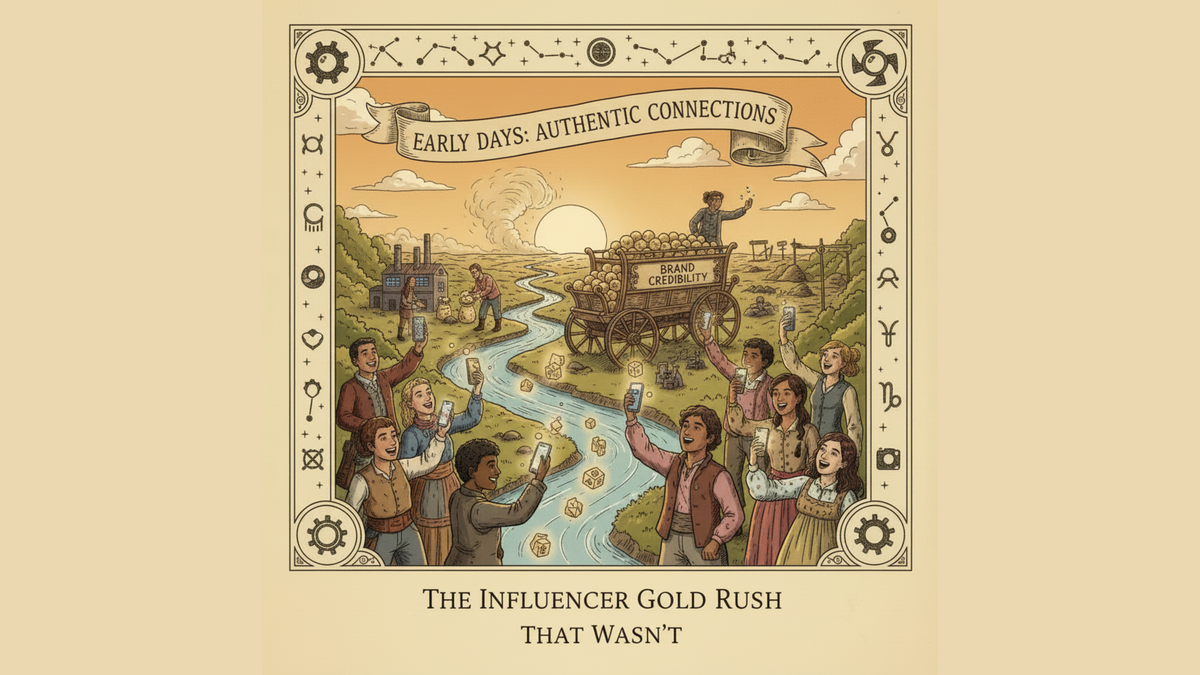
For a brief, shining moment, influencer marketing was pitched as alchemy.
Authenticity at scale. Trust without friction. Reach that felt earned instead of bought. A way out of the auction, the feed, the grind.
The pitch was seductive because it wasn’t entirely wrong.
Early on, it worked. Small creators. Real audiences. Loose incentives. Brands borrowing credibility they hadn’t yet earned and paying fairly for the privilege. The signal was clean because the system was small.
Then the gold rush began.
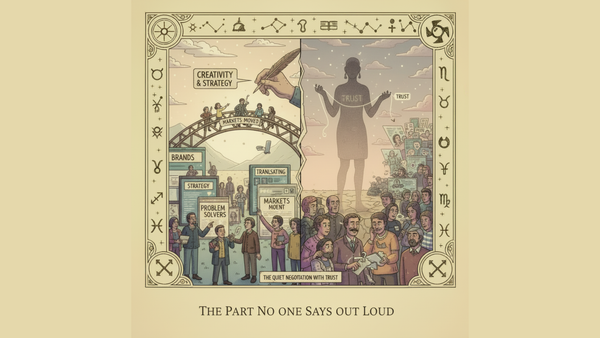
Agencies formed overnight. Platforms built dashboards. Talent became inventory. Authenticity got SKU’d. The moment money arrived in force, the math quietly flipped.
Audiences didn’t disappear—but incentives changed their behavior. Creators learned what paid. Brands learned what scaled. Everyone learned how to sound genuine on command.
That’s when the returns started thinning.
Not collapsing. Thinning. The most dangerous kind of failure.
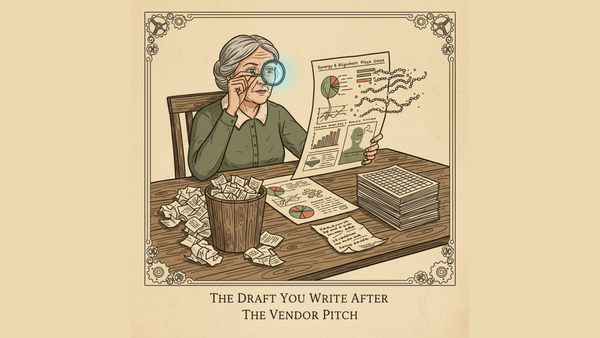
Metrics still moved. Screenshots still looked good. Engagement rates stayed just high enough to defend the spend. But downstream impact—lift, conversion, brand durability—grew harder to prove without increasingly creative attribution.
Influencer marketing didn’t stop working. It stopped compounding.
The problem wasn’t fraud. It was sameness.
As more brands chased the same creators, audiences stopped processing endorsements as information and started filing them as background noise. Trust didn’t vanish—it got rationed. Scarcity returned, just not where anyone was measuring it.
Platforms responded the only way platforms know how: more structure. More rules. More disclosure. More tooling. Each fix made the ecosystem safer and less potent at the same time.
By the time brands asked for “authentic creators,” the word had already lost its teeth.
The real mistake was assuming reach plus relatability equals influence. Influence is situational. It depends on context, timing, and perceived risk. A creator can move opinions and still fail to move behavior.
Smart operators noticed the shift early. They stopped asking “who has an audience?” and started asking “who creates consequences?”
Consequences are rare. They show up when a recommendation costs the speaker something—reputation, access, future optionality. Most modern influencer deals are engineered to remove that cost entirely.
That’s why the gold rush wasn’t a scam. It was a misunderstanding.
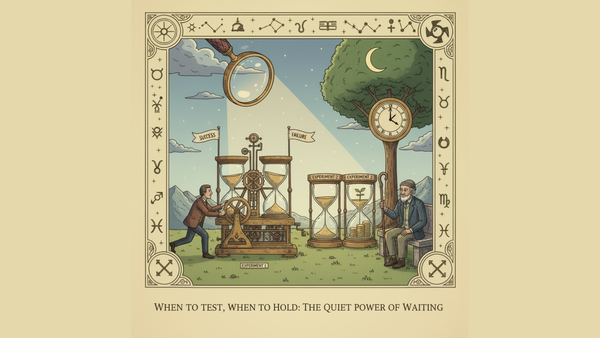
Influencer marketing is a tactic, not a channel. It works in narrow windows, under specific conditions, with real constraints. Treat it like a shortcut to trust and it collapses under its own weight.
Treat it like a precision instrument and it can still cut cleanly.
The lesson isn’t to abandon the river. It’s to stop panning where everyone else already stirred up the silt.
Most splashes are noise.
A few ripples still matter.
The trick is knowing the difference before you cast.